Available on working days between 9:00 am to 6:00 pm
Email us: sales2@industriaxplc.com
Available 24/7 for inquiries and support
Description
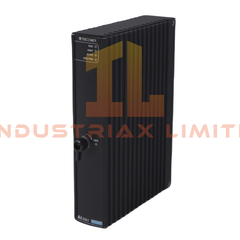
Yokogawa SB301 ESB Bus Interface Master Module
Configured for ESB backplane communication management in CENTUM CS 3000 and CENTUM VP systems, the Yokogawa SB301 (SB301 ESB Bus Interface Master Module) provides direct physical and electrical execution between Field Control Station processors and remote I/O extension nodes through the Extended Serial Backplane network.
Suffix Breakdown & Model Matrix
The supplied documentation identifies the module as SB301 Style S1 hardware. No additional suffix matrix or ordering-code segmentation is specified in the provided material.
Hardware Specifications
Parameter
Specification
Model
SB301
Brand
Yokogawa
Product Type
ESB Bus Interface Master Module
Series
CENTUM CS 3000 / CENTUM VP
Origin
Japan
Bus Architecture
Extended Serial Backplane (ESB)
Installation Location
FCS processor card slot
Communication Role
ESB master communication interface
Redundancy Support
1-to-1 hot standby redundant configuration
Hot Swap Capability
Supported during system operation
Power Supply
24 VDC via FCS backplane
Operating Temp
0 degC to 50 degC
Dimensions
1.0 in x 10.3 in x 9.8 in
Dimensions Metric
2.5 cm x 26.0 cm x 24.8 cm
Weight
Approximately 0.3 kg
Status Indicators
RDY, TX, RX diagnostic LEDs
Connector Type
ESB bus interface connector
System Compatibility
Yokogawa CENTUM CS 3000 and CENTUM VP
Channel Isolation and ESB Backplane Communication
The SB301 module exchanges cyclic process data through the Yokogawa ESB communication layer installed inside the FCS architecture. The module supervises transmission scheduling between the processor section and distributed I/O extension units connected across the ESB segment.
Backplane communication is executed through deterministic serial bus transactions managed by the SB301 master interface. In redundant installations, synchronization status between active and standby modules is maintained continuously through the internal FCS redundancy control mechanism.
The module receives operating power directly from the rack backplane and does not require a separate field power terminal. Shielded ESB communication cabling is used to reduce conducted electrical noise between cabinets and remote node assemblies.
Frequently Asked Questions
Q: Does the SB301 support online replacement while the control station remains energized? A: Yes. The supplied documentation specifies hot-swappable replacement capability during active system operation when installed in compatible Yokogawa FCS architectures.
Q: What occurs during redundant module switchover operation? A: In a 1-to-1 redundant configuration, the standby SB301 assumes communication control if the active module detects an internal fault condition. The transfer process is managed through the FCS redundancy control sequence.
Q: Which diagnostic indicators are available on the module front panel? A: The module includes RDY, TX, and RX LED indicators. RDY indicates internal operational status, while TX and RX lamps indicate active communication traffic on the ESB network.
Field Installation Guidelines
Before module insertion, verify that the target FCS rack slot matches the designated ESB interface position defined by the CENTUM system hardware configuration.
Use grounded wrist protection during handling to prevent electrostatic discharge damage to the module edge connector and onboard communication circuitry.
Maintain shield continuity for all ESB communication cables. Cable shields should be terminated according to Yokogawa cabinet grounding practice to minimize common-mode electrical interference between connected I/O cabinets.
Do not force insertion into the backplane connector. The module should slide evenly into the guide rails until full connector engagement is achieved.
When replacing redundant modules, confirm synchronization and communication status through the RDY and communication activity indicators before returning the system to normal maintenance status.