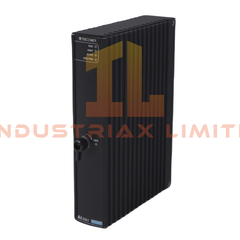
Bently Nevada 991-05-70-01-01 991 Thrust Transmitter The Bently Nevada 991-05-70-01-01, also cataloged as the 991 Thrust Transmitter, operates as a...
Read more
The Bently Nevada 991-05-70-01-01, also cataloged as the 991 Thrust Transmitter, operates as a dedicated hardware component for axial shaft displacement measurement within Bently Nevada machinery monitoring systems.
Hardware Specifications
Parameter
Specification
Model
991-05-70-01-01
Brand
Bently Nevada
Product Type
Thrust Transmitter
Origin
USA
Weight
Approx. 1.0 kg to 2.0 kg
Dimensions
DIN-rail mounted transmitter housing; exact dimensions depend on enclosure configuration
Operating Temp
-40 deg C to +85 deg C
Power Consumption
Loop powered; supplied through 4-20 mA current loop
Measurement Type
Axial displacement / thrust position measurement
Input Sensor
3300 NSv eddy-current proximity probe
Output Signal
4-20 mA DC proportional output
Power Supply
+12 to +35 VDC
Loop Configuration
2-wire loop-powered transmitter
Full Scale Range
0.5-0-0.5 mm displacement range
System Length
7.0 m probe and extension cable system
Mounting Type
35 mm DIN-rail clips
Sensor Technology
Eddy-current non-contact displacement sensing
Loop Accuracy
Typically within +/- 1.5% of full scale
Maximum Loop Resistance
1,000 ohms at 35 VDC
Eddy-Current Probe Scaling and Rotor Dynamics Monitoring
The Bently Nevada 991-05-70-01-01 processes the eddy-current probe signal from a 3300 NSv sensing chain and converts the measured shaft position into a proportional 4-20 mA output. The transmitter performs signal conditioning, displacement scaling, and output conversion for axial position monitoring circuits.
Moreover, the system uses probe gap signal processing to maintain measurement correlation between probe voltage response and shaft displacement. The installation process requires verification of probe gap voltage conditions, where Bently Nevada proximity systems commonly use -10 VDC target gap voltage validation for correct probe operation.
The transmitter supports rotor dynamics monitoring by providing continuous thrust position data from rotating equipment shafts. In addition, the signal conditioning design reduces measurement errors caused by electrical interference and supports stable machinery protection inputs.
Frequently Asked Questions
Q: What type of sensor input does the Bently Nevada 991-05-70-01-01 accept? A: The transmitter accepts a Bently Nevada 3300 NSv eddy-current proximity probe system for non-contact axial displacement measurement.
Q: What electrical output does the 991-05-70-01-01 provide? A: The unit provides a 4-20 mA DC proportional output through a 2-wire loop-powered configuration.
Q: What mounting method does this transmitter use? A: The transmitter uses 35 mm DIN-rail clips for installation inside industrial control panels and monitoring cabinets.
Field Installation Guidelines
Install the transmitter on a suitable DIN rail inside a protected control cabinet environment.
Verify the +12 to +35 VDC loop supply before connecting field wiring.
Use the specified 3300 NSv probe and matching extension cable length to maintain measurement calibration.
Confirm correct probe installation position and gap voltage before commissioning.
Route probe cables separately from high-current power conductors to minimize electrical noise coupling.
Connect the 4-20 mA output loop according to the receiving machinery monitoring or control system input requirements.
Apply proper cable shielding and grounding practices according to the site electrical installation standard.