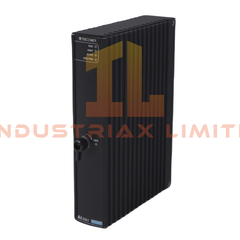
Bently Nevada 330104-00-18-10-02-05 3300 XL 8 mm Proximity Probe The Bently Nevada 330104-00-18-10-02-05, also cataloged as the 330104 3300 XL...
Read more
Available on working days between 9:00 am to 6:00 pm
Email us: sales2@industriaxplc.com
Available 24/7 for inquiries and support
Description
Bently Nevada 330104-00-18-10-02-05 3300 XL 8 mm Proximity Probe
The Bently Nevada 330104-00-18-10-02-05, also cataloged as the 330104 3300 XL 8 mm Proximity Probe, operates as a dedicated hardware component for eddy-current displacement measurement and vibration monitoring within the 3300 XL Transducer System.
Hardware Specifications
Parameter
Specification
Model
330104-00-18-10-02-05
Brand
Bently Nevada
Product Type
Eddy Current Proximity Sensors
Series
3300 XL 8 mm Proximity Probe
Origin
USA
Weight
0.16 kg
Dimensions
Probe case length 180 mm; overall length configuration 1.0 m
Probe Tip Diameter
8 mm
Thread Type
M10 x 1 metric thread
Cable Type
Standard coaxial cable with flexible protective armor
Connector Type
Miniature coaxial ClickLoc connector
Probe Tip Material
Polyphenylene sulfide (PPS)
Probe Case Material
AISI 303 or 304 stainless steel
Linear Measurement Range
2.0 mm
Linearity Range
0.25 mm to 2.25 mm
System Output Scale Factor
7.87 V/mm (200 mV/mil)
Operating Temp
Probe and cable: -52 deg C to +177 deg C; connector: -52 deg C to +105 deg C
Power Consumption
Supplied by Proximitor Sensor, -17.5 VDC to -26 VDC operating supply
Hazardous Area Approval
CSA, ATEX, IECEx Class I Div 1 / Zone 0 and Zone 1 applications
Eddy-Current Measurement and Rotor Dynamics Characteristics
The 330104-00-18-10-02-05 uses an eddy-current sensing principle to convert shaft displacement into an electrical output signal. The probe operates with a defined scaling factor of 7.87 V/mm, allowing the connected Proximitor Sensor to process shaft position and vibration signals.
Furthermore, the probe supports gap voltage validation through standard Bently Nevada monitoring practices. Field technicians typically verify probe installation by checking gap voltage targets near -10 VDC to confirm correct probe-to-shaft spacing.
The 3300 XL 8 mm design supports rotor dynamics analysis by providing continuous shaft movement data. Therefore, the system can monitor radial vibration, axial position, and mechanical displacement changes in rotating equipment.
The probe construction also reduces signal interference through controlled cable design and shielded coaxial transmission. This configuration maintains measurement stability when installed near other vibration monitoring channels.
Frequently Asked Questions
Q: What measurement principle does the 330104-00-18-10-02-05 use? A: The probe uses eddy-current technology to measure the distance between the probe tip and conductive shaft surface. The Proximitor Sensor converts the electrical response into displacement data.
Q: What is the purpose of the ClickLoc coaxial connector on this probe? A: The miniature coaxial ClickLoc connector provides a mechanical connection between the probe cable and monitoring electronics while maintaining the required signal transmission characteristics.
Q: Can the probe operate in hazardous areas? A: Yes. This configuration includes CSA, ATEX, and IECEx approvals for specified hazardous area installations. The final installation must follow the applicable certification requirements.
Field Installation Guidelines
Install the probe with the specified M10 x 1 mounting thread and maintain correct probe-to-shaft clearance before system calibration.
Connect the coaxial cable using the ClickLoc connector and verify that the connector remains mechanically secured during equipment operation.
Route the probe cable away from high-current power conductors and strong electromagnetic interference sources. Maintain proper cable separation to reduce unwanted electrical noise.
Connect cable shielding according to the monitoring system grounding requirements. Avoid creating additional ground loops between the probe system and external equipment.
After mechanical installation, verify the Proximitor Sensor output and confirm gap voltage values before placing the machinery into service.