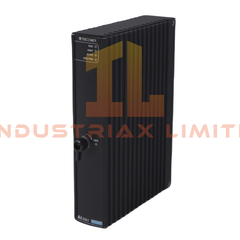
Bently Nevada 100A1000 High Sensitivity Piezoelectric Accelerometer The Bently Nevada 100A1000-01, also cataloged as the 100A1000 High Sensitivity Piezoelectric Accelerometer,...
Read more
Available on working days between 9:00 am to 6:00 pm
Email us: sales2@industriaxplc.com
Available 24/7 for inquiries and support
Description
Bently Nevada 100A1000 High Sensitivity Piezoelectric Accelerometer
The Bently Nevada 100A1000-01, also cataloged as the 100A1000 High Sensitivity Piezoelectric Accelerometer, operates as a dedicated hardware component for casing vibration measurement within Bently Nevada machinery monitoring systems.
Hardware Specifications
Parameter
Specification
Model
100A1000 / 100A1000-01
Brand
Bently Nevada
Product Type
Piezoelectric Accelerometers
Origin
USA
Sensor Type
High Sensitivity Piezoelectric Accelerometer
Measurement Function
Dynamic casing vibration acceleration measurement
Signal Output
Acceleration proportional analog vibration signal
Sensitivity
High output sensitivity for low amplitude and high frequency vibration detection
Frequency Response
Optimized for bearing, gear mesh, and structural vibration analysis
Mounting Type
Threaded stud mount or fixed base mounting
Enclosure Material
Corrosion-resistant industrial housing
Weight
Approximately 1200 g depending on assembly configuration
Dimensions
Not specified in available technical documentation
Operating Temp
-20 deg C to +60 deg C
Power Consumption
Passive piezoelectric sensor, external signal conditioning required
Cable Connection
Integral cable or industrial multi-pin connection options
Rotor Dynamics and Vibration Signal Characteristics
The Bently Nevada 100A1000 uses piezoelectric sensing technology to convert mechanical casing vibration into an electrical acceleration signal. Therefore, the sensor captures high-frequency vibration components generated by rolling-element bearing defects, gear mesh irregularities, and mechanical looseness conditions.
In addition, the sensor output can be processed through Bently Nevada monitoring platforms for vibration trend analysis and machine condition evaluation. The measurement path focuses on casing acceleration behavior rather than shaft displacement, making it suitable for applications where high-frequency mechanical events require detection.
The installation environment requires controlled mechanical coupling between the accelerometer base and the monitored structure. Moreover, proper mounting surface preparation reduces measurement errors caused by poor contact conditions or external mechanical interference.
Frequently Asked Questions
Q: Does the Bently Nevada 100A1000 require external signal conditioning before connection to a monitoring system? A: Yes. The piezoelectric accelerometer generates an acceleration signal that normally requires compatible signal conditioning hardware before connection to monitoring or acquisition equipment.
Q: Can the 100A1000 directly measure shaft displacement like an eddy-current proximity probe? A: No. The 100A1000 measures casing acceleration vibration and does not provide shaft relative displacement measurement.
Q: What installation factors affect vibration measurement accuracy? A: Mounting surface condition, mechanical coupling quality, cable routing, and electrical noise control directly influence measured vibration signal quality.
Field Installation Guidelines
Install the Bently Nevada 100A1000 on a clean, flat machine casing surface with sufficient mechanical contact between the sensor base and the mounting location.
Use appropriate threaded mounting hardware and maintain firm mechanical fastening to prevent false vibration signals caused by sensor movement. Additionally, route the sensor cable away from high-current power lines and electromagnetic interference sources.
For shielded cable installations, connect the shield according to the monitoring system grounding design. Avoid unnecessary cable loops and protect the cable from excessive bending, vibration fatigue, and mechanical damage.
Before commissioning, verify the sensor signal path through the connected monitoring hardware and confirm that vibration readings correspond with actual machine operating conditions.