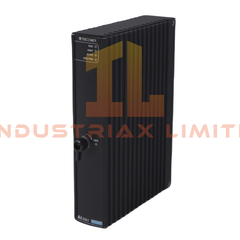
Yokogawa AMM11T Voltage Input Multiplexer Module The Yokogawa AMM11T, also cataloged as the AMM11T Voltage Input Multiplexer Module, operates as...
Read more
Available on working days between 9:00 am to 6:00 pm
Email us: sales2@industriaxplc.com
Available 24/7 for inquiries and support
Description
Yokogawa AMM11T Voltage Input Multiplexer Module
The Yokogawa AMM11T, also cataloged as the AMM11T Voltage Input Multiplexer Module, operates as a dedicated hardware component for sequential multi-channel voltage acquisition within distributed control system (DCS) networks.
The AMM11T incorporates dedicated electrical isolation between each input channel and the output bus to prevent cross-talk and maintain signal integrity. Cold junction compensation (CJc) is implemented for applications interfacing with thermocouples and other temperature-dependent voltage sensors, ensuring linearized, stable measurements across varying ambient conditions.
Frequently Asked Questions
Q: VnA: Does the AMM11T support hot-swappable operation? A: No. The module must be powered down prior to insertion or removal to prevent transient voltage spikes or channel misrouting.
Q: VnA: What is the maximum allowable backplane load when multiple AMM11T modules are installed? A: The module’s current draw is designed to comply with standard DCS backplane ratings; parallel installation should consider cumulative load and isolation requirements.
Q: VnA: Can the firmware be upgraded in-field? A: Firmware updates are performed through the DCS configuration interface; direct module access is not supported for field flashing.
Field Installation Guidelines
Mount modules securely to internal panel chassis or designated subsystem racks using standard panel-mount brackets.
Maintain grounding continuity for shielding layers to minimize EMI/RFI interference.
Route input wiring in separate channels from power and high-current lines to prevent induction noise.
Verify isolation gaps and terminal torque specifications to ensure reliable signal integrity.
Follow standard industrial safety practices when working on live backplanes or terminal blocks.