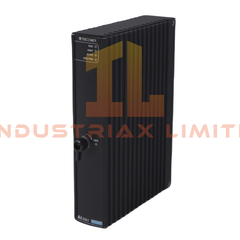
GE IS210AEBIH1BEA Energy Bridge Interface Module The GE IS210AEBIH1BEA, also cataloged as the IS210AEBIH1BEA Energy Bridge Interface Module, operates as a dedicated hardware...
اقرأ المزيد
متاح في أيام العمل من الساعة 9:00 صباحًا إلى 6:00 مساءً
راسلنا عبر البريد الإلكتروني: sales2@industriaxplc.com
متاح 24/7 للاستفسارات والدعم
وصف
GE IS210AEBIH1BEA Energy Bridge Interface Module
The GE IS210AEBIH1BEA, also cataloged as the IS210AEBIH1BEA Energy Bridge Interface Module, operates as a dedicated hardware component for signal conditioning and protocol conversion within GE Speedtronic Mark VI/Mark VIe turbine control systems.
Galvanic Isolation and Protocol Conversion Architecture
The IS210AEBIH1BEA module integrates galvanic isolation, signal conditioning, and communication conversion functions between field devices and Mark VI/Mark VIe controllers. The isolated field-to-control interface separates external signal circuits from internal controller electronics to reduce ground loop effects and electrical interference.
The module processes analog and discrete field signals including 4-20 mA inputs, voltage signals, temperature sensor inputs, dry contacts, and LVDT feedback. Its DSP-based architecture manages protocol conversion functions for communication paths including GE IONet, Ethernet, Modbus, and Profibus interfaces.
The conformal-coated PCB design provides environmental protection against moisture, dust, and industrial contaminants. The hardware configuration supports legacy plant system integration with Mark VI/Mark VIe turbine control platforms.
Frequently Asked Questions
Q: Does the IS210AEBIH1BEA provide electrical isolation between field wiring and controller circuits? A: Yes. The module provides galvanic isolation between field and control sides with an isolation rating of 2.5 kV RMS according to the available specifications.
Q: What field signal types can be processed by the module? A: The module supports analog and discrete signal types including 4-20 mA, +/-10 V, RTD, thermocouple, dry contacts, and LVDT signals.
Q: Is the module designed for hot-swap installation? A: Available technical information does not specify hot-swap capability. Installation should be performed with proper rack power isolation procedures.
Field Installation Guidelines
Verify system power isolation before inserting or removing the module from the rack assembly.
Confirm connector alignment and mechanical seating during installation.
Separate field signal wiring from high-voltage conductors to reduce electromagnetic interference.
Apply proper shield termination and grounding methods for analog and sensor signal cables.
Verify communication wiring polarity and network addressing before commissioning.
Confirm controller firmware and configuration compatibility with the installed AEBI revision.
Inspect conformal-coated PCB surfaces for physical damage before installation.
تحديد
rtl">
المزايا
موثوقية عالية في البيئات الصناعية
يدعم التشغيل المستمر، متوافق مع أنظمة PLC/DCS الرئيسية