
الروبوتات مفتوحة المصدر وأتمتة الذكاء الاصطناعي: إعادة تعريف مستقبل التصنيع الصناعي
, 3 دقيقة وقت القراءة
, 3 دقيقة وقت القراءة
تشهد صناعة الروبوتات تحولاً كبيراً مدفوعاً بالمنصات مفتوحة المصدر، وأنظمة الفحص المدعومة بالذكاء الاصطناعي، والتوسع السريع للروبوتات التعاونية. من الروبوتات المكتبية المعيارية إلى أتمتة خطوط الإنتاج الذكية، تعمل هذه الابتكارات على جعل التصنيع المتقدم أكثر سهولة ومرونة وفعالية من حيث التكلفة. وفي الوقت نفسه، تعمل الشراكات الصناعية الاستراتيجية على تسريع تكامل النظام البيئي، وتحويل الروبوتات من أنظمة معزولة إلى شبكات إنتاج مترابطة وذكية.
تعيد منصات الروبوتات مفتوحة المصدر والأتمتة المدعومة بالذكاء الاصطناعي تشكيل التصنيع، بدءًا من روبوتات سطح المكتب المعيارية وصولًا إلى الروبوتات التعاونية المتقدمة وأنظمة الفحص الذكية. تستكشف هذه المقالة الابتكارات الرئيسية وتقدم رؤى حول كيفية إعادة تعريف إمكانية الوصول والذكاء للأتمتة الصناعية.
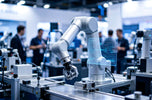
يمثل ظهور منصات الروبوتات مفتوحة المصدر نقطة تحول في كيفية تصميم ونشر أنظمة الأتمتة. تسمح الأنظمة المعيارية مثل النظم البيئية الروبوتية بحجم سطح المكتب الآن للمهندسين بدمج الأذرع وأجهزة الاستشعار والمحركات ووحدات الحركة في سير عمل مخصص بالكامل.
ما يميز هذا الأمر ليس فقط مرونة الأجهزة، بل التحول في الفلسفة أيضًا. لم تعد الروبوتات مقتصرة على الشركات الكبيرة ذات الاحتياطيات الرأسمالية العميقة. بل أصبحت نظامًا بيئيًا يعتمد على المطورين حيث يعتبر التجريب والتكرار السريع هو القاعدة.
من وجهة نظري كمهندس أتمتة، فإن هذا الدمقرطة هو بهدوء أحد أكثر القوى المدمرة في التصنيع. فهو يحول الابتكار من مختبرات البحث والتطوير المركزية إلى بيئات صانعي المنتجات والشركات الصغيرة والمتوسطة الموزعة - حيث غالبًا ما تنتج القيود الواقعية حلولًا عملية أكثر.
تتطور الروبوتات الصناعية التقليدية أيضًا بسرعة. فقد تم تصميم أنظمة مثل روبوتات طلاء السيارات المتقدمة الآن بهياكل غير متماثلة لتحسين الوصول إلى الأشكال الهندسية المعقدة مثل مقصورات المركبات، مع تقليل التعقيد الميكانيكي وتكاليف الصيانة في نفس الوقت.
وفي الوقت نفسه، تتجاوز الأذرع الروبوتية التي تدعمها الذكاء الاصطناعي التنفيذ السلبي. يمكنها الآن اكتشاف المكونات المعيبة في الوقت الفعلي وإزالتها فعليًا من خطوط الإنتاج، مما يغلق الحلقة بين الفحص والعمل.
يعد هذا التقارب بين الإدراك والتلاعب مهمًا بشكل خاص. في التصنيع بكميات كبيرة، يمكن حتى التخفيضات الصغيرة في انتشار العيوب أن تترجم إلى وفورات كبيرة في التكاليف وتحسينات في الجودة.
فكرة رئيسية هنا هي أن الروبوتات لم تعد تتعلق بالدقة فحسب - بل تتعلق بزمن اتخاذ القرار. فكلما أسرع النظام في الاكتشاف والتصرف، كلما اقترب من الإنتاج الذاتي الحقيقي.
تستمر الروبوتات التعاونية (cobots) في التوسع بقوة في جميع الصناعات، مع توقعات النمو التي تشير إلى توسع مستمر ذي رقمين على مدار السنوات القادمة. ويستجيب المصنعون بأنظمة أخف وزنًا وأسرع في النشر وأسهل في البرمجة.
تم تصميم الروبوتات التعاونية الحديثة لتقليل احتكاك التكامل. ويمكن تشغيل العديد منها الآن في غضون دقائق، ولا تتطلب سوى الحد الأدنى من المعرفة البرمجية المتخصصة. وهذا تحول حاسم للمصنعين الصغار والمتوسطين الذين وجدوا في السابق أن الأتمتة معقدة للغاية أو باهظة الثمن.
عمليًا، أصبحت الروبوتات التعاونية "الطبقة الوسطى" للأتمتة - تسد الفجوة بين العمليات اليدوية بالكامل والروبوتات الصناعية شديدة الصلابة. إنها توفر قابلية التكيف دون التضحية بالموثوقية الصناعية.
ملاحظتي هي أن الروبوتات التعاونية ستصبح على الأرجح نقطة الدخول الافتراضية لاعتماد الأتمتة، تمامًا كما أصبحت الحوسبة السحابية طبقة البنية التحتية الافتراضية للتحول الرقمي.
أحد أكثر التطورات تأثيرًا هو دمج أنظمة الفحص القائمة على الذكاء الاصطناعي مع الروبوتات المادية. فبدلاً من مجرد تحديد العيوب، يمكن للأنظمة الحديثة أن تطلق على الفور إجراءات مادية تصحيحية على خط الإنتاج.
يقلل هذا الربط الوثيق بين أنظمة الرؤية بالذكاء الاصطناعي والتنفيذ الروبوتي بشكل كبير من حلقات التغذية الراجعة في التصنيع. كما يقلل من التدخل البشري في مهام ضمان الجودة المتكررة.
تعتبر الصناعات مثل تصنيع السيارات حساسة بشكل خاص لهذه التحسينات، حيث يمكن أن يؤدي عيب واحد ينتشر في وقت متأخر من عملية التجميع إلى استدعاءات مكلفة للغاية.
من وجهة نظر هندسية، يمثل هذا تحولًا من "التحكم في الجودة" إلى "تطبيق الجودة عند المصدر"، مما يغير بشكل أساسي كيفية تصميم خطوط الإنتاج.
تُعاد تشكيل صناعة الروبوتات أيضًا من خلال التحالفات الاستراتيجية بين كبرى شركات التكنولوجيا والتصنيع. تُسارع الشراكات التي تمتد عبر تصنيع أشباه الموصلات والإلكترونيات والأتمتة الصناعية دمج الروبوتات مع النظم البيئية الرقمية الأوسع.
لا تتعلق هذه التعاونات بتحسينات الأجهزة فحسب. بل تركز على قابلية التشغيل البيني، وبيئات المحاكاة، ومنصات الأتمتة الموحدة التي تقلل من تعقيد النشر.
في رأيي، هذا هو المكان الذي تتحول فيه المنافسة الحقيقية - من أداء الروبوت الفردي إلى ذكاء النظام البيئي. وسيكون الفائزون هم أولئك الذين يمكنهم إنشاء تكامل سلس عبر طبقات البرامج والأجهزة والتحكم القائمة على السحابة.


Emerson Electric (EMR) appears broadly fairly valued after a 69.8% three-year gain. This analysis examines its P/E valuation, BP Shah Deniz automation contract, industrial digitalization...

AI benchmark scores provide useful performance indicators, but industrial deployment requires deeper validation. This article explains why engineers must evaluate AI systems through operational context,...

Rockwell Automation and Actemium use AI-driven RtCOP technology with PlantPAx DCS to optimize industrial refrigeration systems, achieving 17% energy savings and improving operational efficiency in...