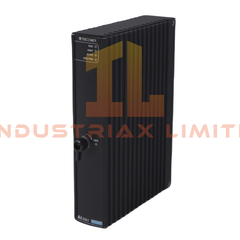
Yokogawa AMM31 Advanced Measurement Module The Yokogawa AMM31, also cataloged as the AMM31 AdvancedMeasurementModule, operates as a dedicated hardware component...
Baca selengkapnya
Dukungan Pengembalian Dana, Layanan 7X24jam, Hubungi kami .
Hubungi kami: +86 135 995 07613
Tersedia pada hari kerja antara pukul 09.00 hingga 18.00
Email kami: sales2@industriaxplc.com
Tersedia 24/7 untuk pertanyaan dan dukungan
Keterangan
Yokogawa AMM31 Advanced Measurement Module
The Yokogawa AMM31, also cataloged as the AMM31 AdvancedMeasurementModule, operates as a dedicated hardware component for precise optical position and speed measurement within process control networks.
Hardware Specifications
Parameter
Specification
ModelBrand
Yokogawa AMM31
Origin
Japan
Weight
0.2 kg (6.1 oz)
Dimensions
12.7 cm x 2.5 cm x 20.3 cm (5.0" x 1.0" x 8.0")
OperatingTemp
Industrial range suitable for harsh environments
PowerConsumption
Standard optical encoder supply, optimized for incremental and absolute signal outputs
Shaft
Through hollow shaft, up to 10 mm (0.394")
Mounting
Frameless, compact, and bearingless design
Interfaces
Wide selection of incremental and absolute interface options
Process Control Features
Supports 4-20 mA HART loop protocol for analog signal integration.
Compatible with FOUNDATION Fieldbus and Profibus PA connectivity.
Cold junction compensation (CJc) available for precision temperature-independent measurements.
Frequently Asked Questions
Q: Does the AMM31 support hot-swap replacement? A: The module is designed for fixed installation; hot-swap is not supported.
Q: What are the electrical isolation characteristics? A: Channel-to-channel isolation limits cross-interference, suitable for standard industrial signal levels.
Q: Can firmware updates be applied in the field? A: Firmware compatibility is maintained via standard optical encoder protocols; field upgrades must follow manufacturer procedures to prevent signal disruption.
Field Installation Guidelines
Ensure the mounting surface is clean and free from debris before installation.
Align the hollow shaft precisely with the mating drive to avoid mechanical stress.
Shield signal wiring and connect to a common grounding point to reduce electromagnetic interference.
Maintain recommended cable bend radius and separation from power lines.
Verify incremental/absolute interface connections per system specification before powering the module.