Dukungan Pengembalian Dana, Layanan 7X24jam, Hubungi kami .
Hubungi kami: +86 135 995 07613
Tersedia pada hari kerja antara pukul 09.00 hingga 18.00
Email kami: sales2@industriaxplc.com
Tersedia 24/7 untuk pertanyaan dan dukungan
Keterangan
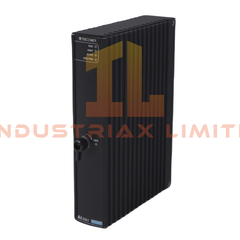
Yokogawa ADCV01 Dummy Cover Module
The Yokogawa ADCV01, also cataloged as the ADCV01 Dummy Cover Module, operates as a dedicated hardware component for physically protecting unused I/O module slots within CENTUM VP and FIO Node Units.
Hardware Specifications
Parameter
Specification
ModelBrand
Yokogawa ADCV01
Origin
Japan
Weight
0.1 kg
Dimensions
20.6 mm × 131 mm × 24.2 mm
OperatingTemp
-10 to 60 degC (typical industrial range)
PowerConsumption
None (non-functional)
Material
Industrial-grade non-conductive plastic
Color
Gray
CompatibleSystems
CENTUM VP, FIO Node Units (e.g., ANB10, ANB11)
Mounting
Snap-fit or screw-mounted
Process ControlI ntegration Features
The ADCV01 ensures channel-to-channel isolation within the control cabinet by physically separating active I/O modules from empty slots. This supports the maintenance of proper airflow for module cooling and reduces potential electrical interference between adjacent modules. The module's form factor complies with standard CENTUM VP slot dimensions, allowing uniform alignment and structural integrity across DCS enclosures.
Frequently Asked Questions
Q: Can the ADCV01 be installed while the system is powered? A: Yes, installation is fully mechanical with no electrical connection, allowing hot-swap insertion without affecting system operation.
Q: Does the dummy cover affect cabinet cooling performance? A: Yes, it maintains optimized airflow by blocking open slots, directing forced-air cooling to active modules.
Q: Are there grounding requirements for the module? A: No electrical grounding is required; the module is non-conductive and serves purely as a mechanical cover.
Field Installation Guidelines
Align the ADCV01 with the intended empty slot, ensuring the backplane connector is fully covered.
Insert using the snap-fit mechanism or secure with screws as appropriate.
Avoid forcing the module; it should slide into the slot with minimal resistance.
Maintain clearance around adjacent modules to prevent airflow obstruction.
Confirm that all cabinet doors and panels close correctly after installation to maintain environmental sealing.